- (08) 6527 8767info@sjsresource.com.au
- 46 Colin Street West Perth WA 6005
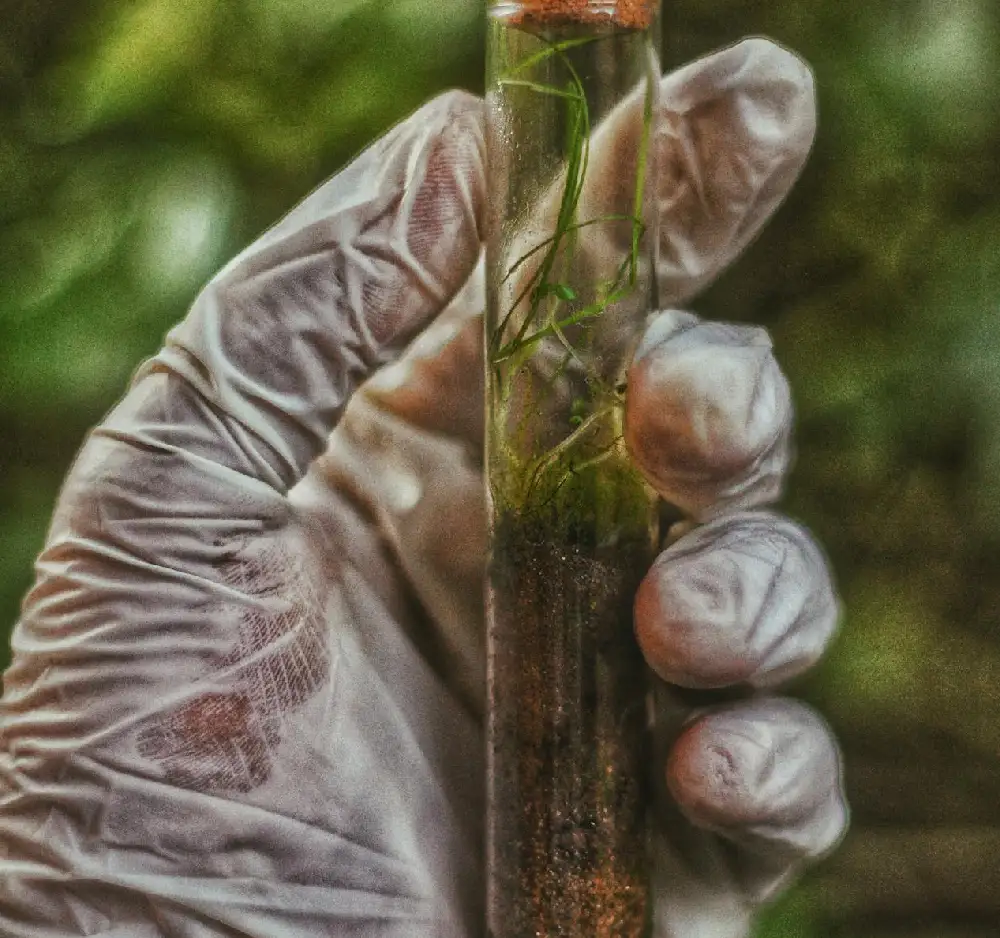
Soils are an essential component in construction, mining, and environmental projects. Soil testing gives information that is vital to knowing what the soil is made of and how it behaves. These help engineers, architects, and geologists make decisions. Be it a building, a mining project, or a study on land due to environmental reasons, the success of your project lies in soil testing.
Soil testing involves collection of soil samples from various depths and locations on a site. These samples are then analysed in a laboratory to study various characteristics, such as composition, moisture content, texture, density, and chemical properties. These results can provide the basis for critical insights into how well soil can support a structure or meet project requirements.
The knowledge of soil’s load-bearing capacity is significant for construction. Soils are different and respond to the forces applied to them differently. Some soils shift or settle unevenly, while others can hold enormous weights. Testing the soil helps determine the proper foundation design to avoid expensive structural failure and ensures long-term stability.
Soil testing is the sample collection of soil at several depths and locations of a site. Then, it’s analysed in the lab to obtain composition, moisture content, texture, density, and other chemical properties. The test results provide crucial information on whether structures can be supported by that kind of soil or if the site meets the project requirements.
Soils have to be tested before conducting environmental projects. Testing will help evaluate the effect of industrial activities or plan for the land cleanup. Tests may show contaminants, such as heavy metals, chemicals, or toxins. This knowledge creates cleanup plans and enforces environmental regulations to safeguard the site and surrounding ecosystems.
Soil tests will provide you with information on drainage patterns and retention of water. In case the soil retains too much water, it will cause flooding or erosion problems with your project. On the other hand, if the soil retains less water, it leads to dryness or trouble with vegetation. Correct analysis of soil will enable you to design drainage systems or select appropriate materials to prevent water-related issues.
Soil testing can save money in the long run by identifying potential issues early. If issues like poor soil quality or contamination are discovered during the planning phase, you can modify the design or use specific engineering solutions. This reduces the chances of costly delays or unforeseen repairs once construction or mining activities are underway.
Different tests serve different purposes. Common types of soil tests include:
Soil testing is far more than a precaution; it is a necessary step in assuring the safety, efficiency, and sustainability of any project. By understanding the soil’s properties, you can make informed decisions that protect both your investment and the environment. Whether it’s for construction, mining, or environmental projects, proper soil testing guarantees a solid foundation for success.
At SJS Geologists, we specialise in soil testing and geological consultancy. Our expert team uses advanced equipment and techniques to provide accurate and reliable results for all your projects. Get in touch today to learn more!
Copyright © 2026 SJS Resource. all rights reserved.